
This page is currently being rebuilt .
Why breed purebreds?
Mixed-breed chickens, also known as hybrids, are just as valuable and lovable as purebred chickens; this should go without saying when dealing with living beings. One can even make a case for crossbreeding, as with good breeding practices, it can combine the best traits of both parent breeds. Of course, purebred chickens are also originally based on the skillful mating of different foundation breeds. However, the goal of purebred poultry breeding is to solidify the characteristics attributed to each breed in terms of appearance, performance, and behavior in the most ideal form possible, even over many generations. In industrial breeding, on the other hand, the ideal commercial chicken is created through the professional crossbreeding of specific grandparent and parent birds; however, these traits are not fixed and would diverge again with further breeding.
Commercial hybrids are ideally adapted to industrial demands . Their husbandry has little in common with traditional farming practices or modern hobby farming. Many farmers even think they’re doing the animals a favor by feeding them less “nutrient-dense” feed. After all, the poor things shouldn’t have to lay so many eggs. However, hybrids are genetically optimized and therefore suffer from nutritional deficiencies. In industrial farming, laying hens are removed from the barn and slaughtered after a single laying period, and in conventional farming, they are often emaciated.
The biggest problem with industrial poultry production, and thus with hybrid breeds, is the lack of transparency: a monopoly held by a few large corporations prevails, breeding methods are trade secrets, and consumers have to buy replacements because natural breeding is impossible. Fortunately, there are initiatives working to counteract this, such as organic animal husbandry. These should be supported when purchasing poultry products, as this is the only way to encourage a change in thinking.
By contrast, breeders of purebred poultry make a significant contribution to preserving genetic diversity. Many chicken breeds also have a history spanning well over a hundred years and are, in some cases, threatened with extinction. Besides preserving as many breeds as possible, purebred poultry breeding serves as a piece of cultural heritage, thus also contributing to the preservation of genetic variability for our future.
Large, black Australorps – Gabi Kirchner
Gabi has been in the club from the beginning, is on the board, and brilliantly manages the kitchen at events.
As the name Australorp suggests, this breed originates from Australia. The breed is very docile, friendly, and calm, flies little, and has a beautiful greenish tinge to its black plumage. Egg production and meat yield of this dual-purpose breed are good. Australorp roosters are peaceful and do not crow much.
Gabi keeps this breed because they roam with her on the Oberen Hörnlealm in the summer and are rarely attacked by flying predators. Because of their black plumage, Australorps are often mistaken for ravens by predators.

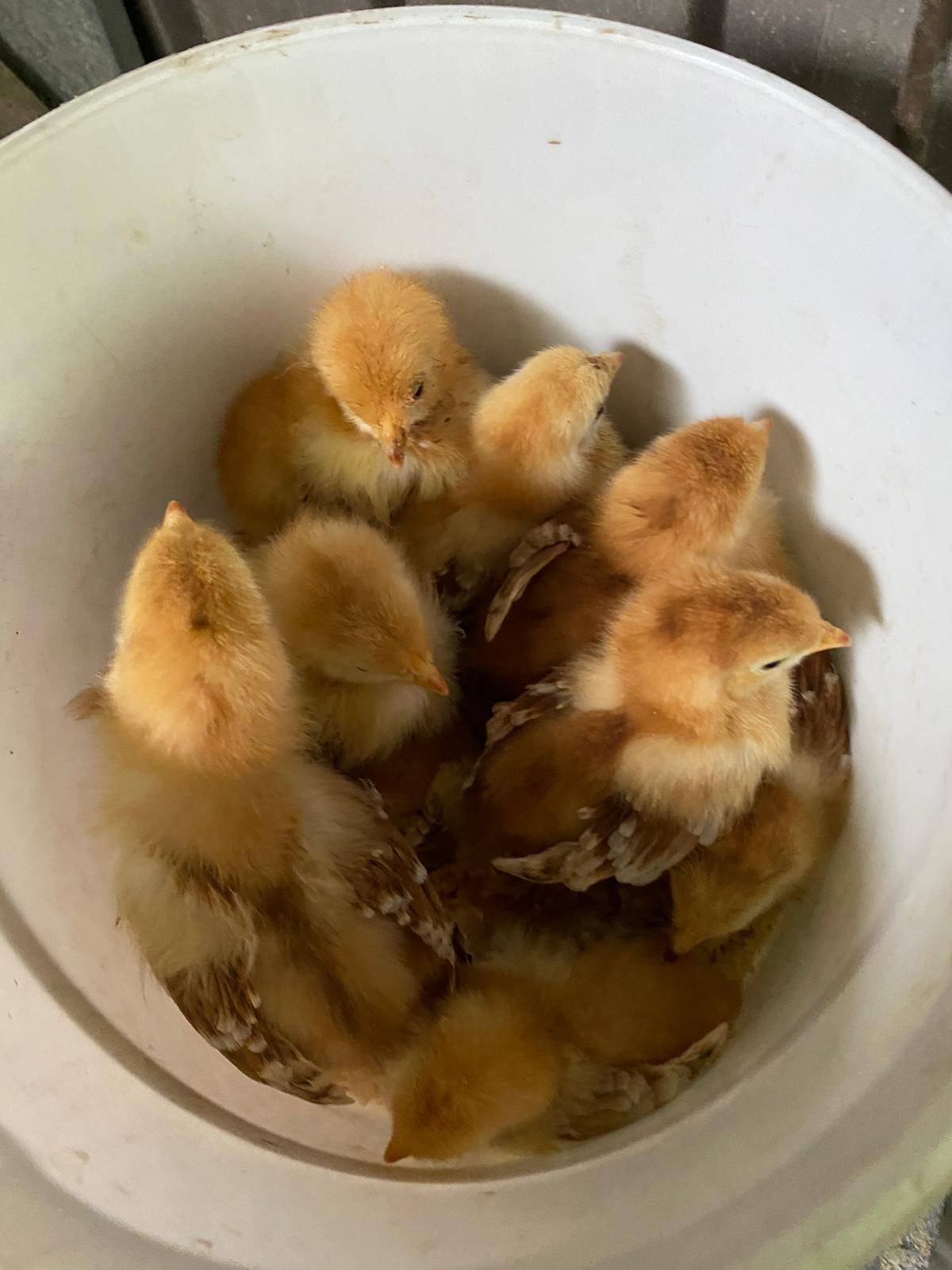

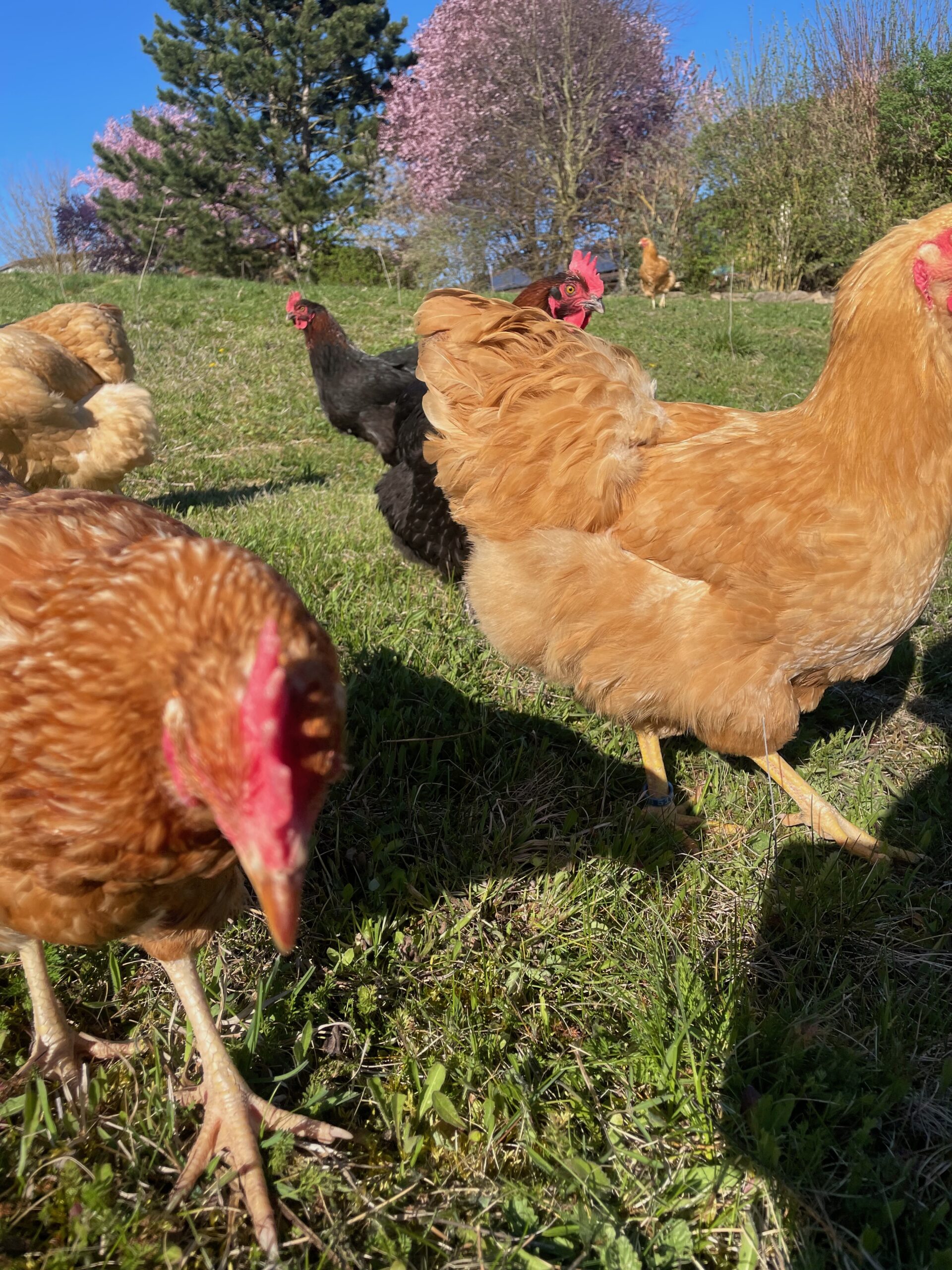
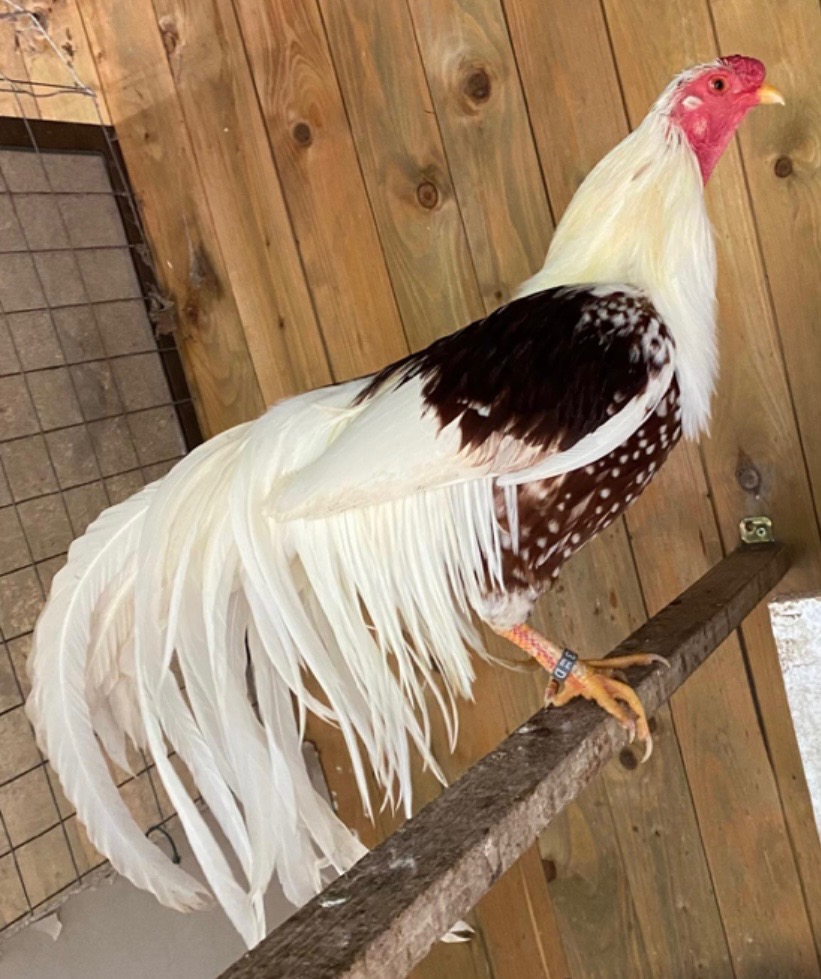

Brahma and Dwarf Brahma as well as Imperial Chickens – Sigi Menz
Sigi has been a member of the club from the very beginning and is extremely successful with his animals at exhibitions.
Bantam Brahma chickens are unusually large and heavy for bantam breeds. While generally calm, they are nonetheless lively and active in their run, foraging for food. In summer, they don’t need, or rather shouldn’t need, much supplemental feeding if their run is large enough. Bantam Brahmas are voracious eaters, perhaps even overeating, and prone to obesity. Despite their feathered feet, these chickens scratch and scratch enthusiastically. Soft grass in the run is ideal for Bantam Brahmas. Mud and puddles are absolutely unacceptable, as their feathered feet would quickly become dirty and matted, creating a breeding ground for all kinds of pathogens.
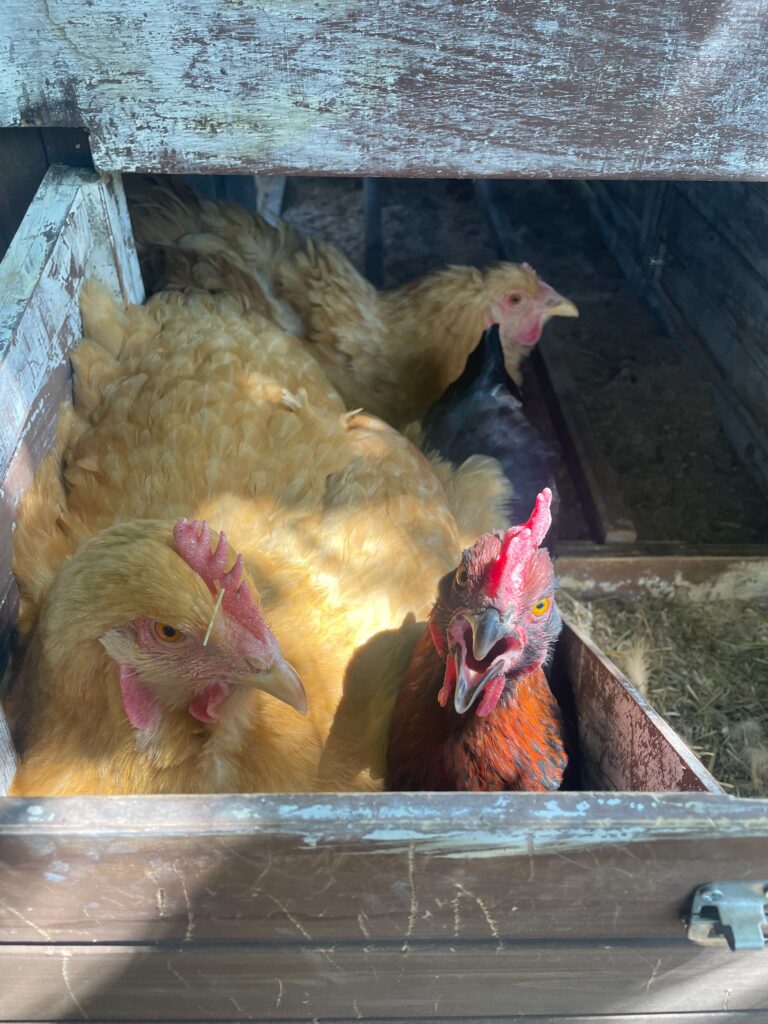
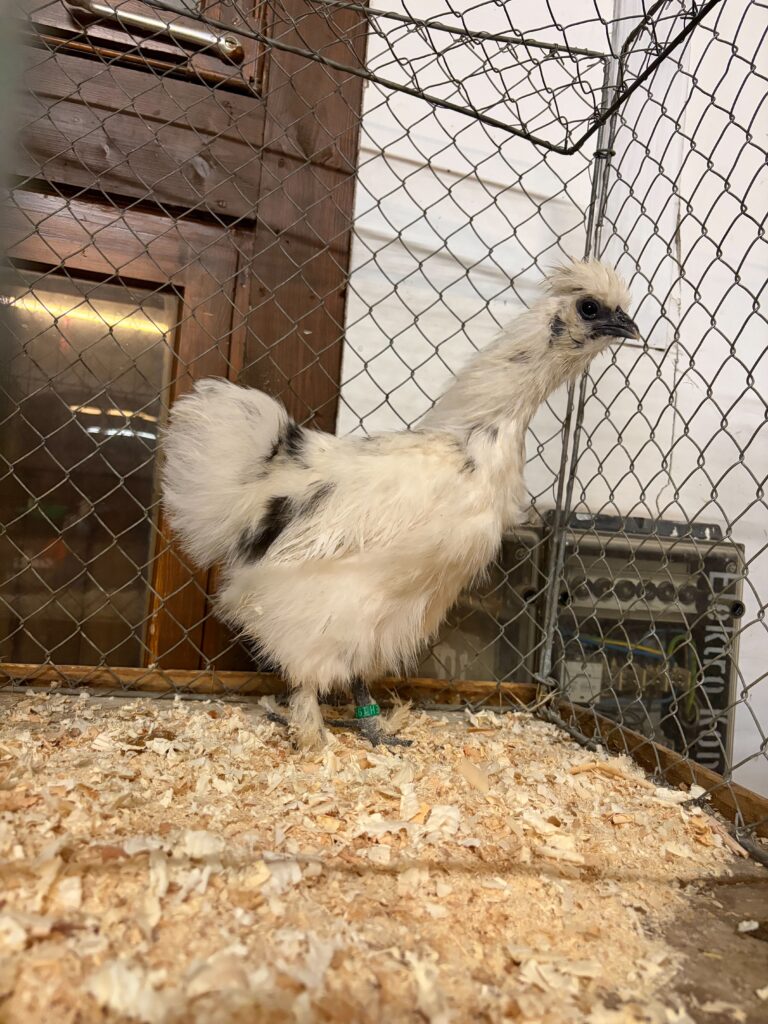
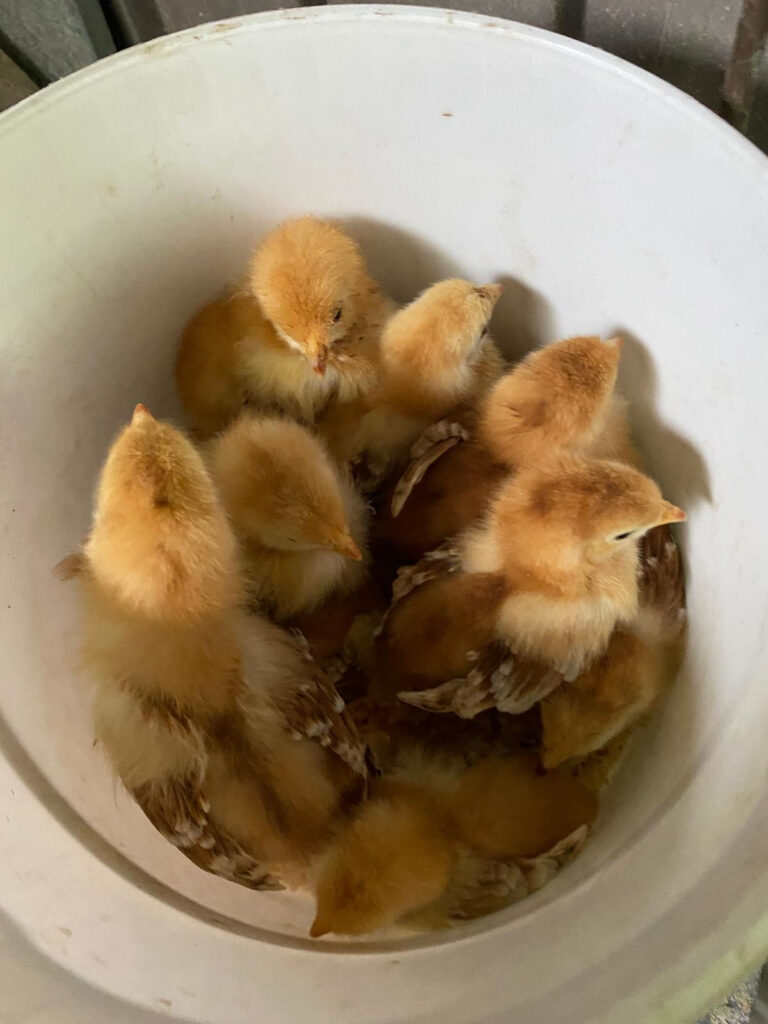
Dwarf Vorwerk chickens – Irene Balzarek:
The Vorwerk chicken was bred according to a precise plan by Oscar Vorwerk, a wealthy Hamburg merchant in Othmarschen. The steps of its development can be traced in detail. The breed has existed since 1912 and was almost wiped out during the World Wars.
The dwarf rabbits were officially recognized in West Germany in 1963, but as early as 1956, very appealing animals were on display at the winner’s show in Leipzig in the eastern part of Germany.
There are only 445 registered Dwarf Vorwerk breeding roosters and approximately 1150 hens in Germany.
Due to their excellent economic qualities, the Dwarf Vorwerk is a widely kept breed today. Their graceful form and striking black markings on a golden background captivate everyone with these beautiful chickens. A true feast for the eyes!
German Imperial Chickens – Andrea Doser and Frank Henke
The German Imperial Chicken is listed as endangered on the Red List of Threatened Domestic Animal Breeds.
Incidentally, it has no German blood in its veins at all. To breed the German Imperial Chicken, breeders used original Asian breeds such as Brahma, Orpington, and Sussex, but also crossed them with Mediterranean breeds like Italian and Minorca . In terms of temperament, German Imperial Chickens are true all-rounders. While they are rather light in build due to the influence of the Mediterranean breeds, they are neither restless nor shy. On the contrary, this breed can become very tame and is a rather calm representative of its kind. It is also particularly hardy and robust. The German Imperial Chicken also proves its qualities as a laying hen – not only during the typical laying season, but also in winter. A hen of the German Imperial Chicken lays up to 180 cream-colored eggs for its owner.
Appenzeller Spitzhauben and Marans – Christina Huber and Christian Böck
Christina and Christian joined our club in 2024, having moved from the Wolfratshausen area. They were already keeping chickens before that.
They have chosen the beautiful Appenzeller Spitzhauben breed in gold and black speckled.
While the population in Switzerland is considered stable, the GEH (Society for the Conservation of Old and Endangered Livestock Breeds) classifies the Appenzell Spitzhauben as a critically endangered chicken breed .
The Appenzell traditional costumes, with their distinctive crests, resemble the feathered crests of the Appenzell Spitzhauben. It’s possible these crests were modeled after the chickens. Alternatively, the chickens may have been named after the region due to their resemblance, leading to their continued breeding there during critical years. In Appenzell, these chickens are also known as Gässerschnäpfli or Tschüpperli.
Although the Appenzell Spitzhauben has likely existed under other names since the 15th or even the 13th century, it wasn’t officially recognized as a breed until 1952.
Appenzell Spitzhauben are Alpine chickens. Among the larger breeds, they are very small. Consequently, they are light and exceptionally agile, capable of flapping and gliding.
Oral tradition tells us that the Appenzell Spitzhauben run up the mountain to graze at dawn and glide back down to the farm in the evening.